Welcome to Chicago



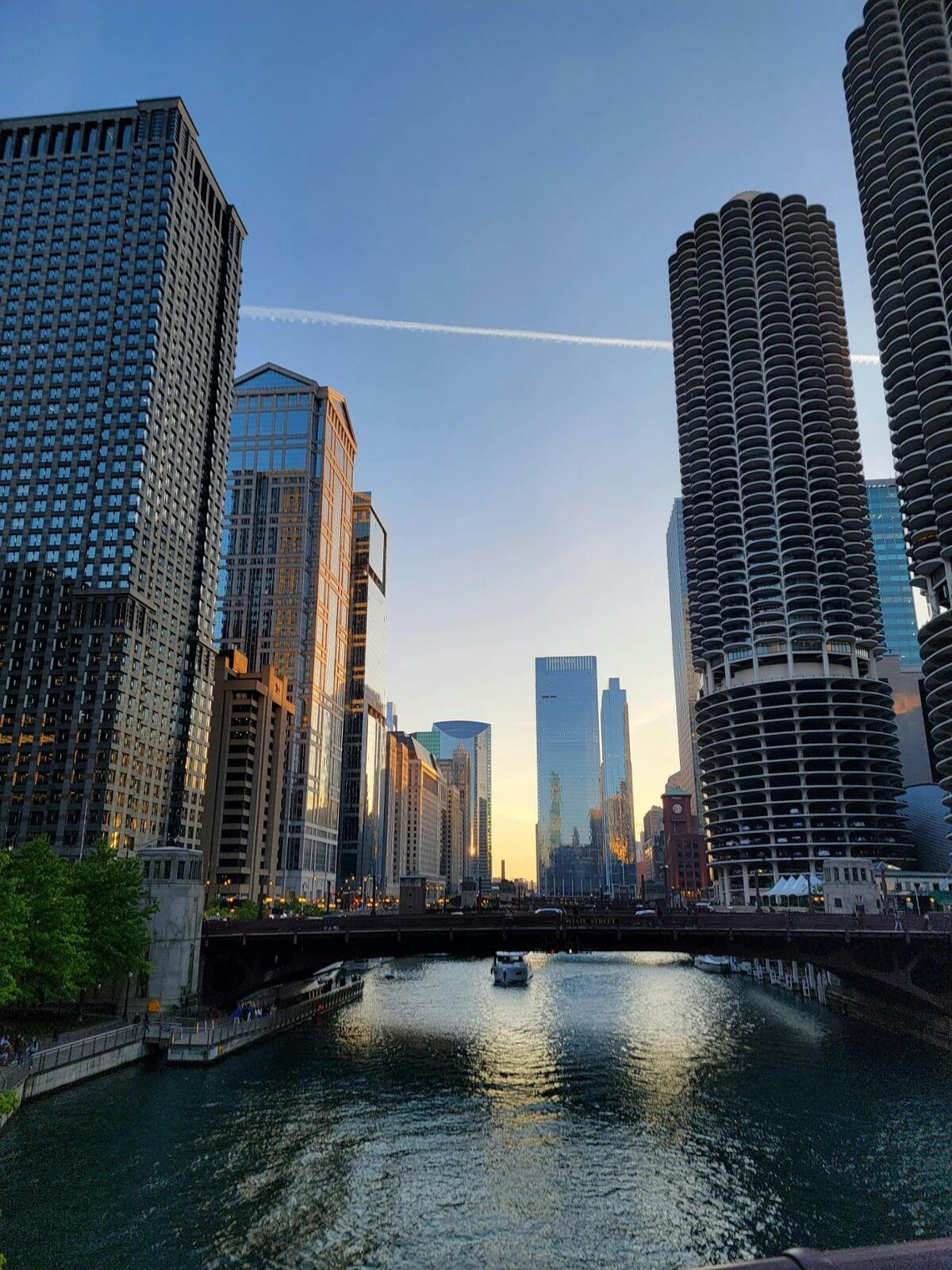
Get to know key historic Prohibition locations in Chicago
Famous Ghost Sightings: Haunted Landmarks & Stories
Explore Chicago’s most haunted landmarks and discover chilling stories from across the city. From historic hotels to riverside disasters, these locations are must-visits for anyone intrigued by haunted Chicago, ghost tours, and local legends.
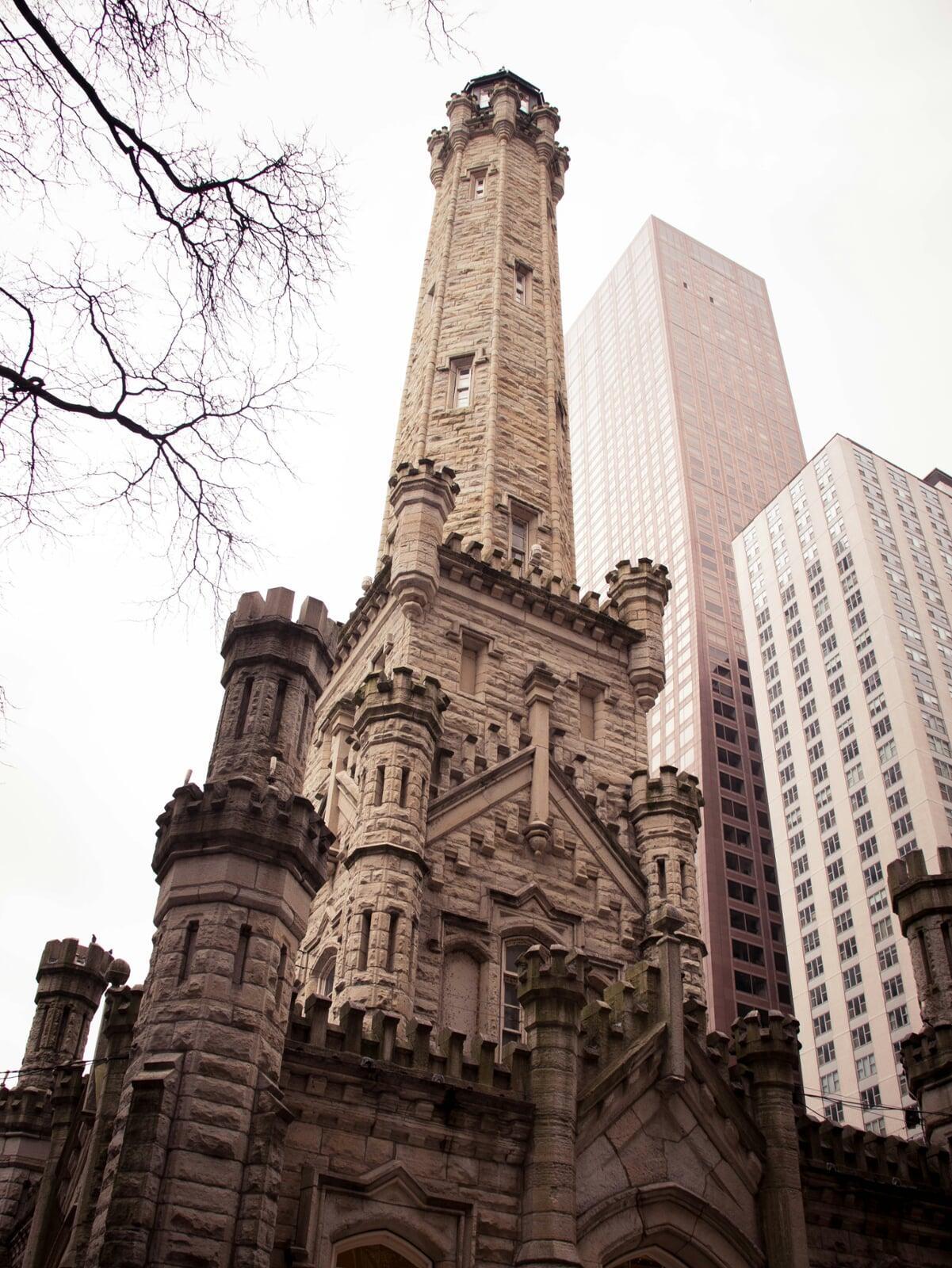
Chicago Water Tower
Built in 1869, the Chicago Water Tower survived the devastating Great Chicago Fire of 1871, but legend tells of a man operating the pumps who hanged himself to avoid perishing. Visitors and locals report seeing his ghostly figure in the tower’s windows, making it a top destination for Chicago ghost enthusiasts.
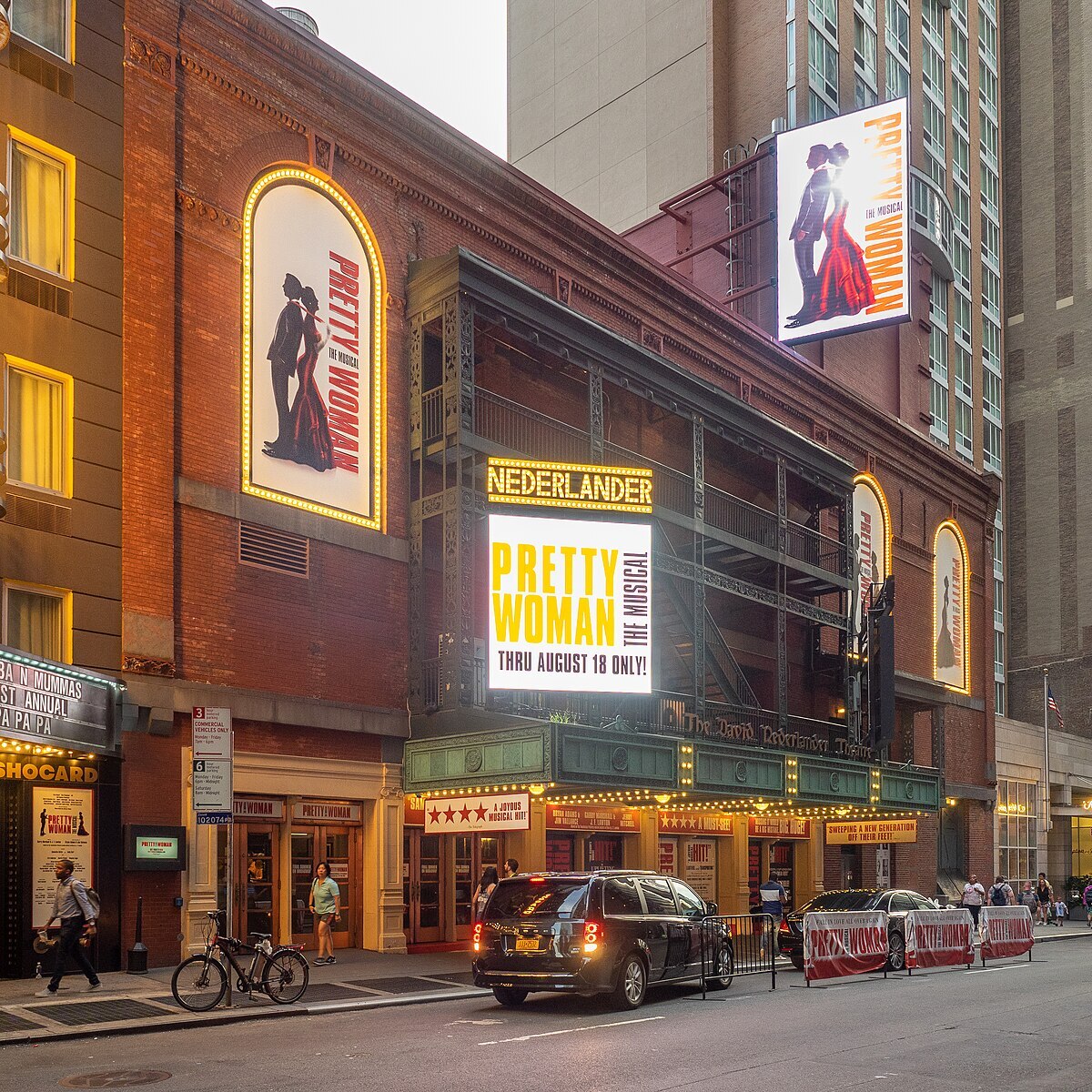
Nederlander Theatre
On December 30, 1903, a devastating fire broke out at the theatre before it became the Nederlander Theatre, killing 602 people. Nearby residents and staff report hearing phantom footsteps and whispers, believed to be the spirits of those who perished. Today, the theatre’s long history as both a performance venue and a haunted site draws curious visitors and ghost tour enthusiasts alike, eager to experience its eerie legacy firsthand.
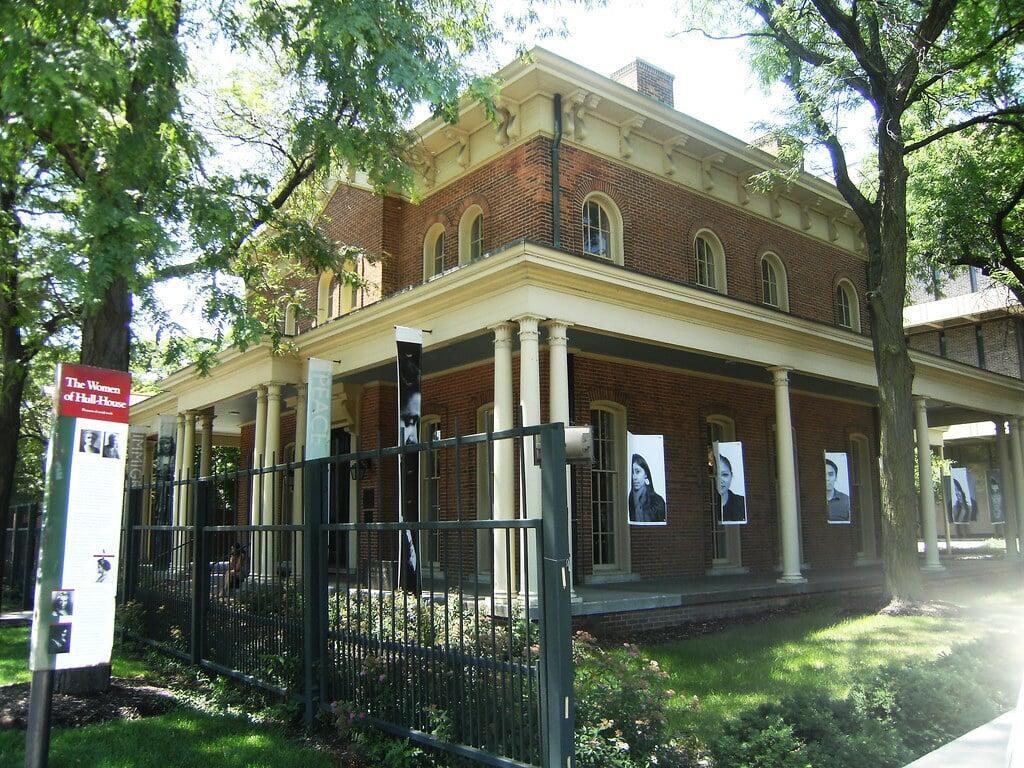
Jane Addams Hull-House
At Hull-House, a chilling legend tells of the “Devil Baby,” a deformed child with scaly skin, horns, and a tail who allegedly took refuge in the attic. Onlookers claim to see its ghostly figure staring from the windows, blending Chicago’s social history with haunted folklore. Visitors and locals alike remain fascinated by the story, making Hull-House a unique destination for those exploring haunted sites and Chicago history.
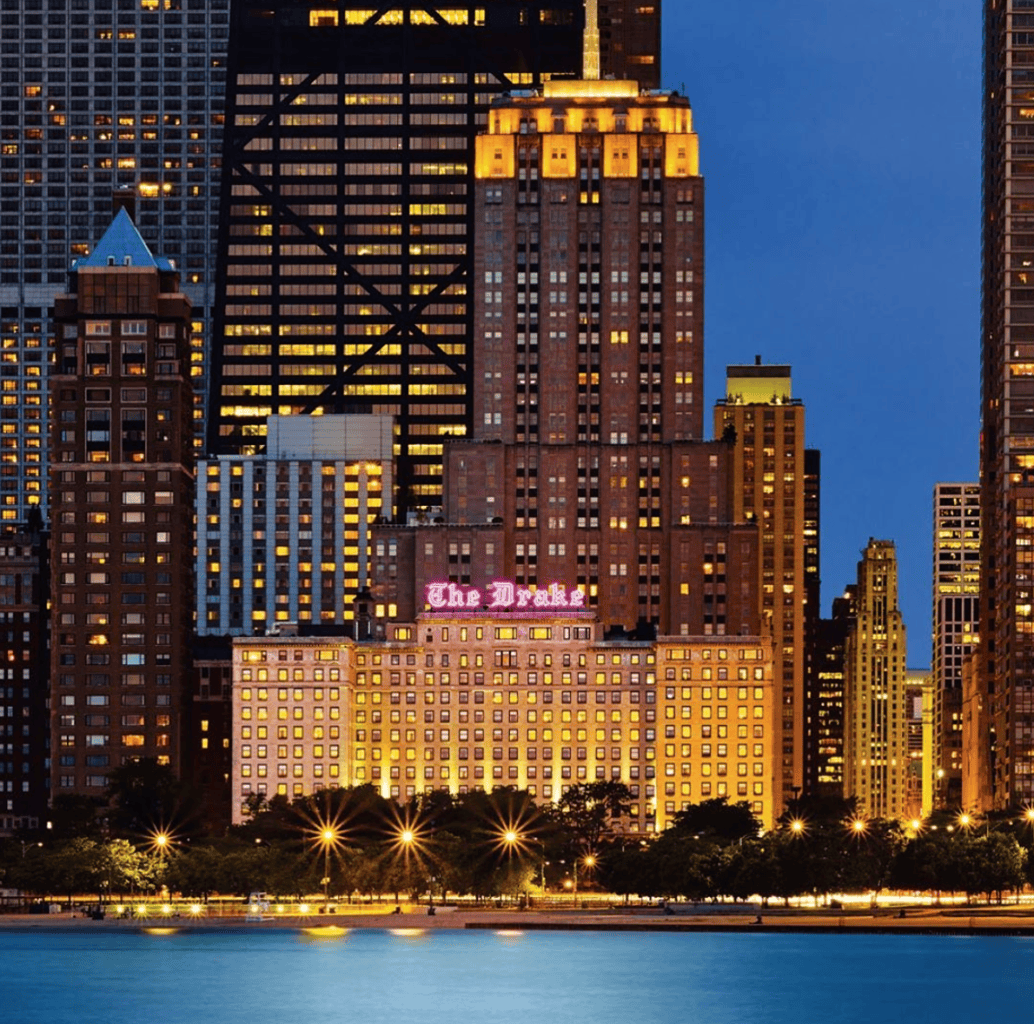
The Drake Hotel
The Drake Hotel, built in 1920, hosted celebrities like Marilyn Monroe, Frank Sinatra, and Winston Churchill, but it’s also famous for ghosts: the Woman in Black, who shot a socialite in 1944, and the Woman in Red, who jumped from the 10th floor during a 1920 New Year’s Eve gala. Guests and staff continue to report strange sightings and eerie sounds, making it one of Chicago’s most haunted hotels.
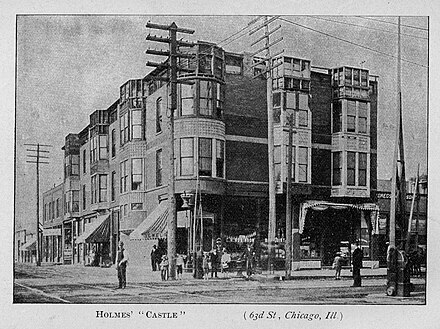
Holmes’ Murder Castle
In 1886, Dr. H.H. Holmes built the infamous “Murder Castle” for the World’s Fair. At least 20 victims—and possibly hundreds more—died in acid pits, gas chambers, and makeshift operating tables. Although the building was demolished, locals still report hauntings tied to Holmes’ gruesome legacy, cementing it as a dark chapter in Chicago ghost history. The terrifying tales of the Murder Castle continue to draw historians, paranormal enthusiasts, and tourists who want to learn more about one of Chicago’s most notorious haunted locations.
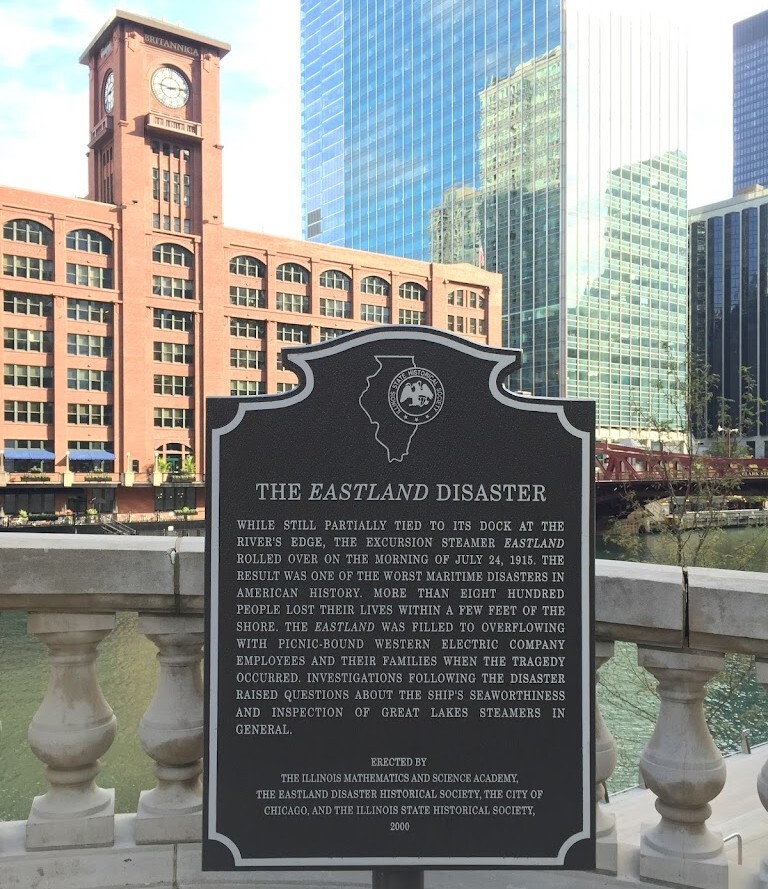
Eastland Disaster
On July 24, 1915, the SS Eastland capsized in the Chicago River, claiming 844 lives, including 22 entire families. Witnesses report seeing shadowy figures, floating faces, and hands reaching from the water, echoing the tragic event. The disaster remains one of Chicago’s deadliest maritime tragedies and a haunting site for those exploring haunted Chicago history.